How Films Reflect and Shape Our World
Films are more than just entertainment, they are a window into our world. They show us what is happening in society, reflect our values, and sometimes even challenge us to think differently. The connection between cinema and society is a two-way road, films take inspiration from real life, and in return, they shape how we see and understand it, and that was the main objective of this blog.
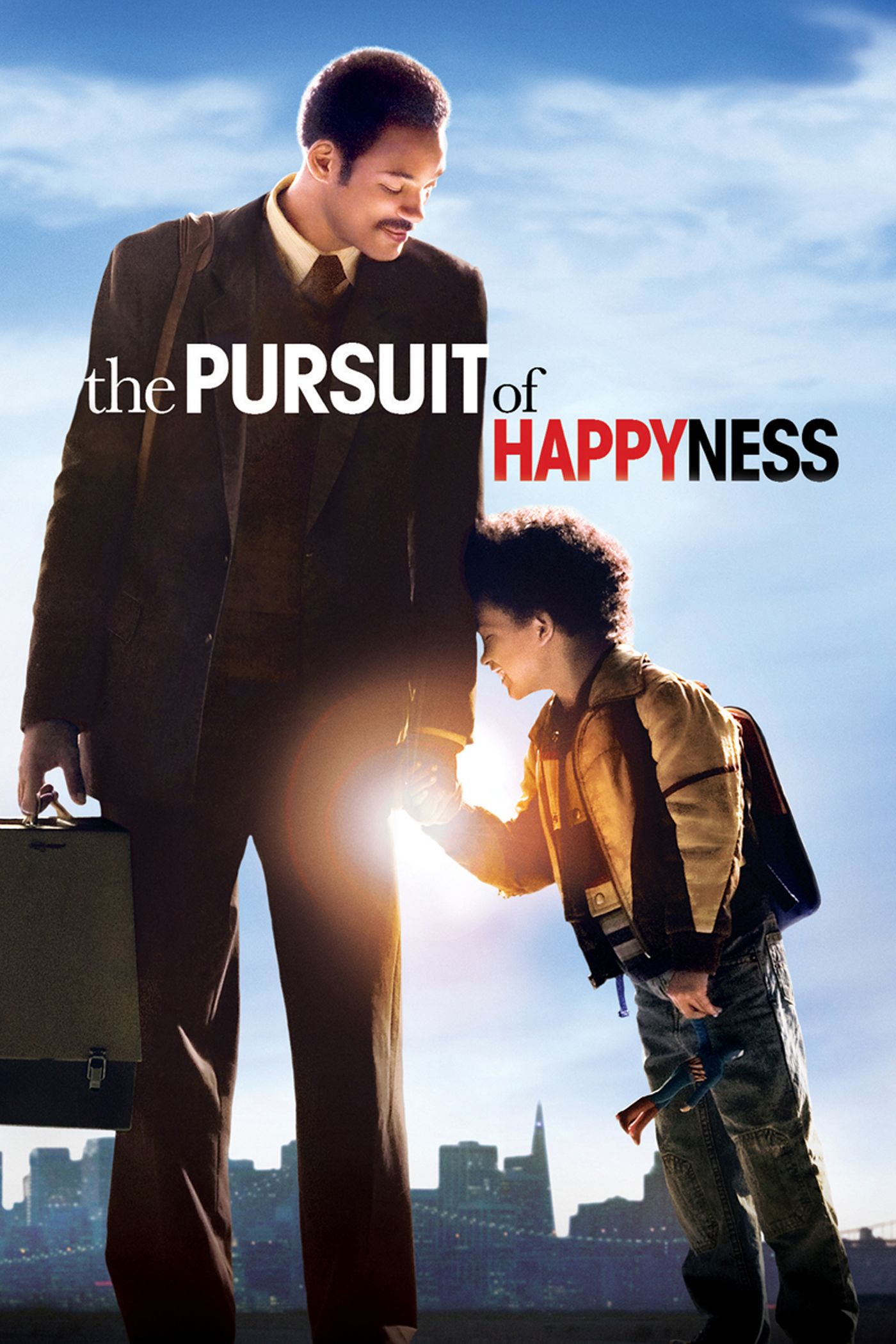
One way films connect with society is by showing us its struggles and challenges. Social issues like inequality, discrimination, and politics often take centre stage. For example, The Pursuit of Happyness (2006) (Swank, n.d.) tells a story about financial struggles and the power of resilience, while Parasite (2019) takes a look at differences in classes and how they affect people’s lives (Weinberger, 2020). These films feel so real because they are based on challenges many people face in their daily lives.

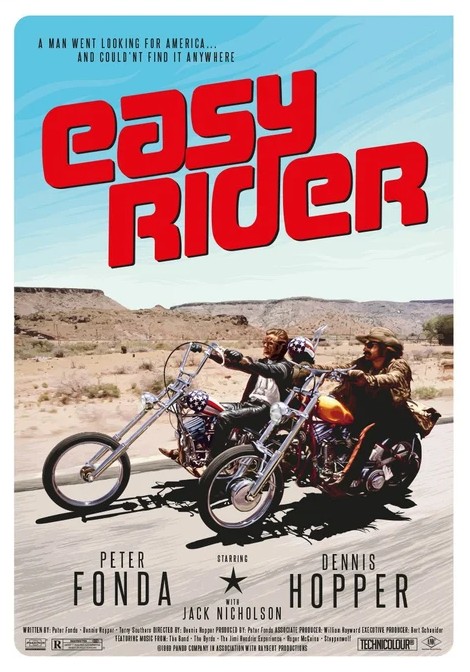
Films also capture the aesthetics and memories of their time. In the 1960s, during the counterculture movement (Frommer, 2023), films like Easy Rider (1969) celebrated rebellion and freedom. After 9/11, movies like Zero Dark Thirty (2012) and United 93 (2006) reflected the world’s growing fears about terrorism and security. Watching these films is like looking back at moments from the past both good and bad. They show us what people were feeling and thinking at that time.


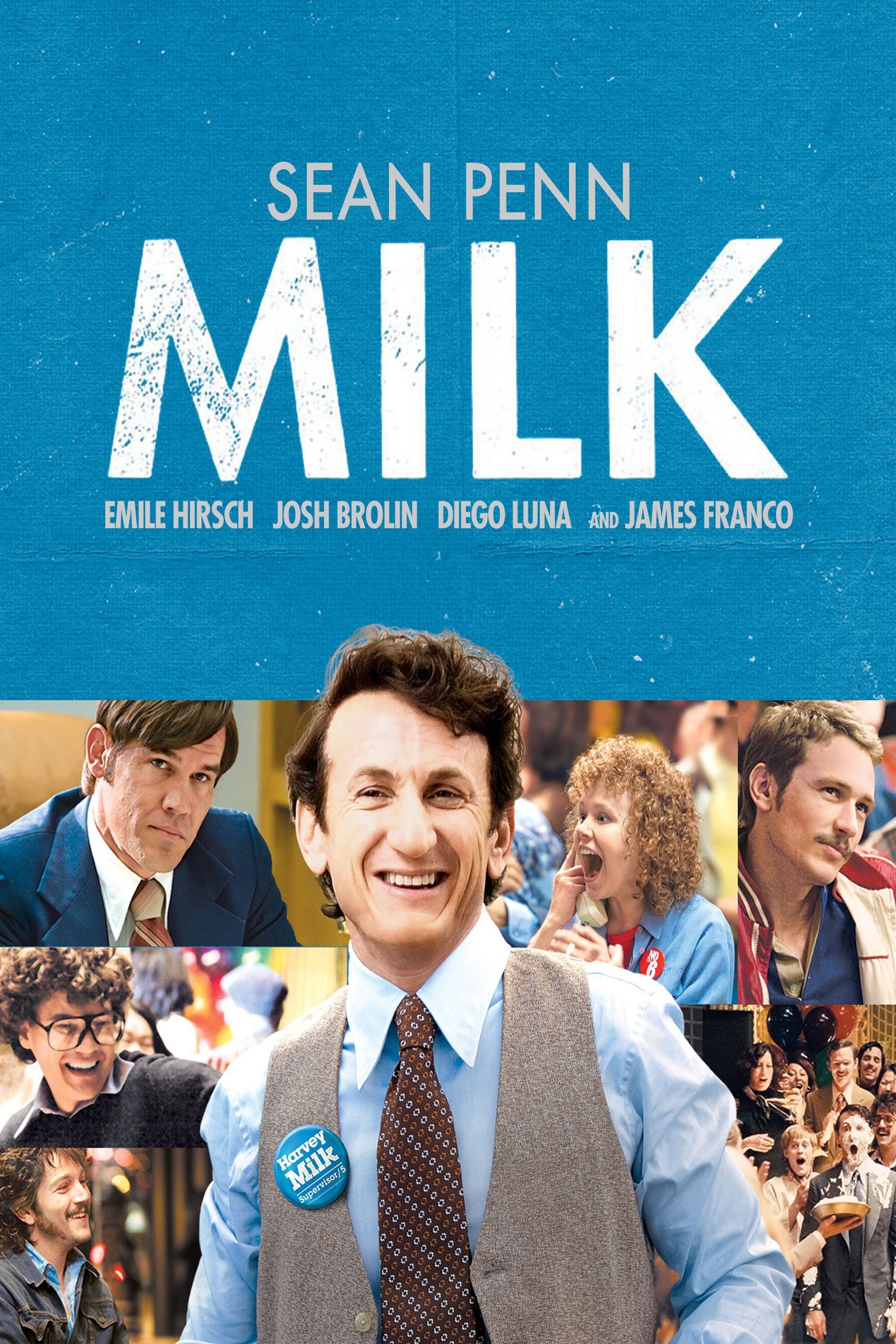
But films do not just reflect on society, they push for change, too. Films like Milk (2008) and Selma (2014) highlight the fight for civil rights and equality. They inspire us to think about justice and imagine an equal and fair world. Through powerful stories, they encourage us to question what is wrong and work toward something better.
Sometimes, filmmakers get creative with how they critique society. Sci-fi films like The Matrix (1999) and Snowpiercer (2013) might seem like wild fantasies, but they actually say a lot about power, control, and inequality. Using metaphors and legends, these films make us think about real issues in a new way.

Films also influence how we see ourselves and others. Hollywood has been called out for reinforcing stereotypes in the past, like portrayals of women or minorities. But things are changing. Films like Wonder Woman (2017) and Mad Max Fury Road (2015) are breaking those moulds, celebrating diversity, and offering the audience fresh stories and perspectives.


In the end, the relationship between cinema and society is a constant back-and-forth. Films reflect what is happening in the world, but they also inspire us to think differently, and sometimes even take action. When we watch films with an open mind, we are not just entertained, we are learning about ourselves and the world we live in.
References
Coffel, C. (2016). Easy Rider and The Ideals of Freedom. [online] Film School Rejects. Available at: https://filmschoolrejects.com/i-recently-watched-easy-rider-for-the-first-time-b8aa5af65a9b/.
Frommer, F. (2023). 1960s Counterculture. [online] Britannica. Available at: https://www.britannica.com/topic/1960s-counterculture.
Gill, H.S. (2024). The true meaning of Zero Dark Thirty’s closing scene. [online] Medium. Available at: https://medium.com/@harshdeepgill/the-true-meaning-of-zero-dark-thirtys-final-scene-686e194e3aa9 [Accessed 15 Jan. 2025].
Greengrass, P. (2006). United 93. [online] IMDb. Available at: https://www.imdb.com/title/tt0475276/.
IMBD (n.d.). Selma (2014) - Plot - IMDb. [online] www.imdb.com. Available at: https://www.imdb.com/title/tt1020072/plotsummary/.
Shah, V. (2023). The role of film in society. [online] Thought Economics. Available at: https://thoughteconomics.com/the-role-of-film-in-society/.
Smith, M.R. (2023). Embracing culture through film as a tool for social change and healing. [online] The Daily Texan. Available at: https://thedailytexan.com/2023/02/17/embracing-culture-through-film-as-a-tool-for-social-change-and-healing/.
Social Film Drama (2023). The Social Impact of Film Production. [online] Social Film Drama. Available at: https://socialfilmdrama.com/impact.
Somvichian-Clausen, A. (2019). Top 10 films that break gender and racial stereotypes. [online] The Hill. Available at: https://thehill.com/changing-america/respect/diversity-inclusion/473687-top-10-films-that-break-gender-and-racial/.
Swank (n.d.). The Pursuit of Happyness. [online] Available at: https://www.swank.com/media/269986/pursuit-of-happyness_1.pdf [Accessed 16 Oct. 2024].
Weinberger, Z. (2020). Bong Joon-Ho’s ‘Parasite’ talks about class inequality and it’s brilliantly done. [online] UNIVERSITY PRESS. Available at: https://www.upressonline.com/2020/01/bong-joon-hos-parasite-talks-about-class-inequality-and-its-brilliantly-done/.


Comments
Post a Comment